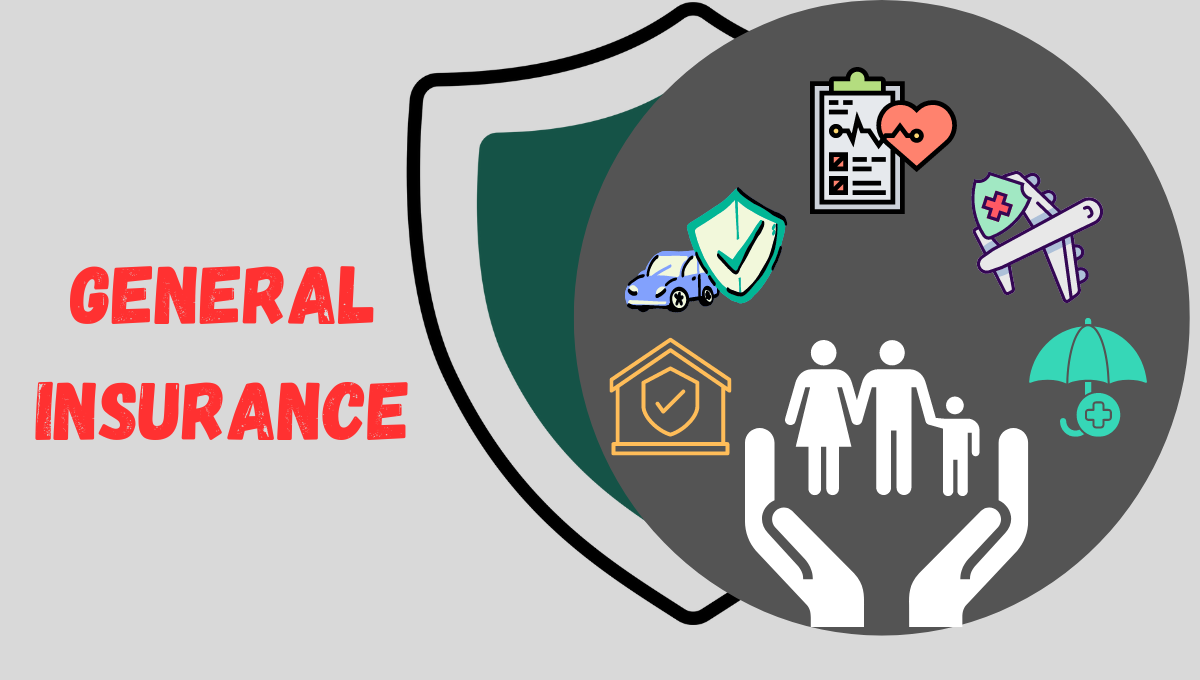

What is General Insurance?
General insurance is a form of insurance designed to provide financial protection against various unforeseen losses or damages. Unlike life insurance, which mainly covers risks related to death and disability, general insurance encompasses a wide array of risks that individuals and businesses may encounter. It serves as a safety net, helping to alleviate the financial burden that can arise from unexpected events. This type of insurance is crucial for managing risk and ensuring financial stability in times of crisis.
Essential Distinctions Between General Insurance and Life Insurance
| Feature | General Insurance | Life Insurance |
|---|---|---|
| Coverage | Protects against financial losses from various risks and events. | Primarily covers death and disability. |
| Policy Term | Typically short-term, often covering a specific period or event. | Long-term, often covering a lifetime or a specific period. |
| Benefits | Financial compensation for losses or damages. | Death benefit, disability benefit, and sometimes additional benefits like annuity payments. |
Types of General Insurance
General insurance is diverse, offering various policies tailored to different needs. Here are some typical categories of general insurance:
- Fire Insurance: This type provides financial protection against losses caused by fire, smoke, and related perils. It covers property damage and loss of income due to business interruption.
- Home Insurance: Home insurance covers property damage due to events like fire, theft, and natural disasters. It also encompasses liability protection for injuries that happen on the premises.
- Motor Vehicle Insurance: This insurance protects vehicle owners against financial losses due to accidents, theft, or damage. It may also provide coverage for bodily injury liability and property damage liability.
- Marine Insurance: Marine insurance covers losses related to ships, cargo, and maritime operations. It is crucial for companies engaged in shipping and logistics.
- Travel Insurance: Travel insurance provides financial protection against unexpected events during travel, such as trip cancellations, medical emergencies, or lost luggage. It ensures that travelers are safeguarded against potential financial loss while abroad.
- Liability Insurance: This insurance covers legal expenses and damages resulting from claims of negligence or wrongdoing. It is crucial for businesses to protect against lawsuits and liability claims.
- Property Insurance: Property insurance protects against losses to real property, such as buildings and structures, covering risks like theft, fire, and natural disasters.
- Casualty Insurance: Casualty insurance provides coverage for losses arising from accidents, injuries, or death. It is essential for protecting businesses from liability.
- Product Liability Insurance: This type protects manufacturers and sellers from financial losses due to product defects that cause harm or damage. It is vital for businesses that produce consumer goods.
How General Insurance Works
The process of general insurance typically involves several key steps:
- Risk Assessment: The insurance company evaluates potential risks associated with the insured’s situation. This assessment helps determine the appropriate premium for the policy.
- Policy Purchase: The insured agrees to the terms and conditions and pays a premium to purchase the insurance policy.
- Claim Filing: If a covered loss occurs, the insured files a claim with the insurance company, providing necessary documentation and details about the incident.
- Investigation: The insurance company investigates the claim to verify the loss and determine the extent of coverage based on the policy terms.
- Settlement: If the claim is valid, the insurance company provides compensation to the insured. This payment is based on the terms of the policy and the assessed value of the loss.
Benefits of General Insurance
General insurance offers numerous benefits that contribute to financial security and peace of mind:
- Protection Against Financial Losses: By providing coverage for various unexpected events, general insurance can mitigate the financial impact, preventing significant hardship.
- Risk Management: Individuals and businesses can effectively manage risks through general insurance, protecting their assets and investments.
- Peace of Mind: Knowing that you have coverage for unexpected events reduces stress and allows individuals to focus on other important aspects of life or business.
- Legal Compliance: In many cases, having certain types of general insurance, such as motor vehicle insurance, is a legal requirement, ensuring compliance with regulations.
Factors to Consider When Choosing General Insurance
Selecting the right general insurance policy requires careful consideration of several factors:
- Coverage Needs: Assess your specific needs and determine the types of coverage required for your situation. This may include evaluating risks and the value of your assets.
- Premium: Compare premiums from different insurance providers to find the best value for your coverage. Consider what you can afford while ensuring adequate protection.
- Deductibles: Understand the deductible amount—this is the portion of the loss you must pay out of pocket before insurance coverage applies. Higher deductibles usually mean lower premiums.
- Exclusions: It’s important to recognize any exclusions or restrictions in the policy. Knowing what isn’t covered is just as vital as understanding what is.
- Insurance Provider Reputation: Select a reliable insurance company with a solid history of performance. Research customer reviews and ratings to ensure reliability and good service.
Conclusion
general insurance is a vital tool for protecting against financial losses from various risks in our lives. By understanding the differences between general insurance and life insurance, we can better appreciate the role that general insurance plays in safeguarding our finances. Whether it’s health insurance, auto insurance, home insurance, or travel insurance, each type provides essential coverage that can help us navigate unexpected challenges.
Investing in general insurance is not just a precaution; it’s a proactive approach to securing our financial future. With the right coverage, we can enjoy peace of mind knowing that we are prepared for whatever life may throw our way.
Frequently Asked Questions (FAQ) About General Insurance
1. What is General Insurance?
General insurance helps protect you from unexpected costs or losses. It covers risks like property damage, car accidents, and medical emergencies. Unlike life insurance, which mainly focuses on death and disability, general insurance covers various everyday risks.
2. What Are the Main Types of General Insurance?
The main types of general insurance include:
- Health Insurance: Provides coverage for medical costs related to illnesses and injuries.
- Auto Insurance: Protects against financial loss from car accidents or theft.
- Home Insurance: Covers damage to your property and liability issues related to your home.
- Travel Insurance: Provides protection for unexpected events while traveling, like trip cancellations or medical emergencies.
3. How Does General Insurance Work?
General insurance shifts the financial risk of certain events from you to the insurance company. You pay a regular premium, and in return, the insurer compensates you for covered losses when they happen.
4. Why Is General Insurance Important?
General insurance is important because it protects your finances from unexpected events that could lead to high costs. It gives you peace of mind and helps you manage risks, ensuring you’re ready for emergencies.
5. What Factors Should I Consider When Choosing a General Insurance Policy?
When picking a general insurance policy, consider these factors:
- Coverage Needs: Identify what specific coverage you need.
- Premium Costs: Compare premiums from different companies to find the best deal.
- Deductibles: Understand the amount you’ll need to pay yourself before your insurance takes effect.
- Exclusions: Understand what isn’t covered by the policy.
- Insurance Company Reputation: Choose a reliable insurer with good reviews.
6. What Is a Deductible in General Insurance?
A deductible is the amount you must pay yourself before your insurance begins to cover expenses. For example, if your health insurance has a ₹25,000 deductible and your medical expenses are ₹1,00,000, you pay the first ₹25,000, and the insurer covers the remaining ₹75,000.
7. How Do I File a Claim with My General Insurance Provider?
To submit a claim, you typically need to:
- Inform your insurance company as soon as the loss happens.
- Provide necessary documents, like receipts, photos, or police reports.
- Fill out a claim form as instructed by your insurer.
- Work with the insurance company during their investigation of the claim.
8. What Steps Should I Take If My Claim Is Rejected?
To file a claim, you generally need to:
- Review the denial letter to understand why it was denied.
- Gather more information or documents that might support your claim.
- Contact your insurer to discuss the denial and get more details.
- If needed, consider appealing the decision or seeking legal advice.
9. Is General Insurance Mandatory?
Some types of general insurance, like auto insurance, are required by law in many areas. Other types, like home or travel insurance, may not be mandatory but are strongly recommended for financial security.
10. How Can I Reduce My General Insurance Premium?
You can lower your general insurance premium by:
- Increasing your deductible.
- Bundling several policies with the same insurer.
- Maintaining a good credit score.
- Taking advantage of discounts from your insurance provider.
- Regularly reviewing and updating your coverage needs.



Leave a Reply