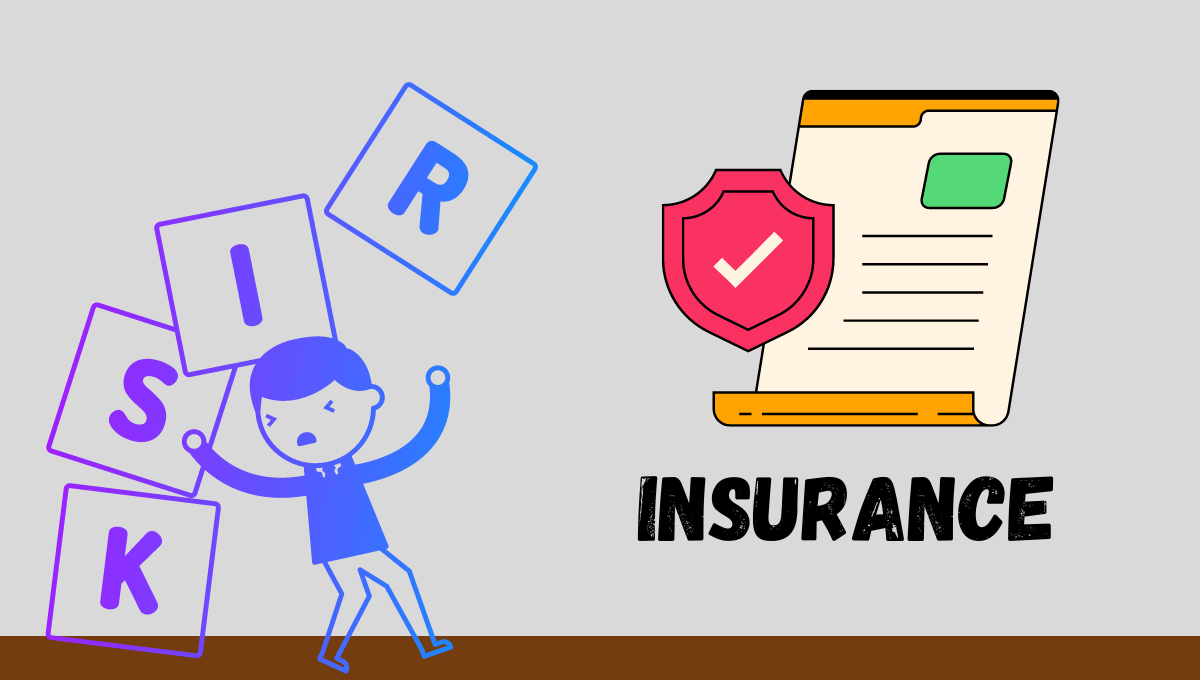

Insurance is a crucial part of our financial lives. It helps us manage risks by transferring the financial burden of unexpected events to an insurance company. This article will explore the concept of risk, how insurance functions as a risk transfer mechanism, and the important factors of probability, severity, and risk mitigation strategies.
What is Risk?
Risk refers to the chance of experiencing harm or loss. It can occur in various forms, such as financial loss, physical injury, or damage to property. Understanding risk is essential because it helps us make informed decisions in our lives, whether it’s choosing a career, investing in stocks, or driving a car.
Types of Risk
- Personal Risk: This includes health issues or accidents that may affect an individual’s well-being.
- Property Risk: This involves the potential for damage to physical belongings, such as homes or cars.
- Liability Risk: This arises when someone is held responsible for causing harm to another person or their property.
The Importance of Understanding Risk
Recognizing the types of risk we face allows us to prepare for potential losses. For example, if we know that driving a car comes with the risk of accidents, we might choose to buy auto insurance to protect ourselves from financial loss.
How Does Insurance Work?
Insurance is a financial tool that helps manage risk. It operates on the principle of risk pooling. When many people pay premiums to an insurance company, the company collects these funds to cover the costs of claims made by a few individuals.
Risk Transfer Mechanism
Insurance transfers the financial risk from individuals to the insurance company. When an insured event occurs, the insurance company compensates the policyholder, which helps them avoid significant financial hardship.
Key Components of Insurance
- Premium: This is the payment made by the policyholder to the insurance company, typically occurring either monthly or annually.
- Deductible: This is the sum that the policyholder needs to pay upfront before the insurance company takes care of the rest of the expenses.
- Coverage Limits: These are the maximum amounts the insurance company will pay for a covered loss.
Understanding Probability and Severity
Two critical factors in insurance are probability and severity. These factors help insurance companies determine premiums and assess risk.
Probability
Probability indicates how likely it is for an event to take place. In insurance, it helps assess the chances of a claim being made. For instance, younger drivers may have a higher probability of being in an accident than older drivers.
Calculating Probability
Insurance companies use historical data to calculate the probability of claims. For example, if they find that 5 out of every 100 young drivers file a claim, they know the probability of a claim for this group is 5%.
Severity
Severity refers to the potential impact of a loss if an event occurs. It looks at how much money a claim will cost. For instance, a house fire can lead to significant losses due to property damage, while a minor car accident may involve lower costs.
Combining Probability and Severity
Insurance companies consider both probability and severity when setting premiums. If an event has a high probability of occurring and a high potential cost, the insurance premium will be higher.
Risk Mitigation Strategies
While insurance helps manage risk, it’s also essential to take proactive steps to reduce risk. Here are some strategies for risk mitigation:
1. Avoidance
The most effective approach to handling risk is to steer clear of it completely. For example, someone who fears accidents may choose not to drive at all.
2. Loss Prevention
This involves taking measures to reduce the chances of an event occurring. Installing smoke detectors in a home can help prevent fire damage, while regular vehicle maintenance can reduce the likelihood of car accidents.
3. Risk Reduction
Risk reduction strategies aim to lessen the impact of an event if it does occur. For example, having a higher deductible on an insurance policy can lower premiums, but it also means the policyholder will have to pay more out of pocket if a claim arises.
4. Risk Transfer
Insurance is a common method of transferring risk. By purchasing insurance, individuals transfer the financial responsibility of potential losses to the insurance company.
The Role of Insurance in Risk Management
Insurance plays a vital role in risk management. It allows individuals and businesses to protect themselves from significant financial losses. By understanding risk and the function of insurance, people can make informed choices that safeguard their financial future.
Benefits of Insurance
- Peace of Mind: Knowing you have insurance can provide peace of mind in uncertain situations.
- Financial Security: Insurance helps protect assets and provides financial support during difficult times.
- Encouragement of Risk-Taking: With insurance in place, individuals may feel more comfortable taking calculated risks, like starting a business or buying a home.
Choosing the Right Insurance
Selecting the right insurance policy can be overwhelming due to the variety of options available. Here are some recommendations to help you make informed decisions:
Assess Your Needs
Consider the types of risks you face in your life. For example, if you have a family, life insurance may be essential to protect their financial future.
Compare Policies
When looking for insurance, compare different policies from various providers. Look at coverage limits, premiums, and customer reviews to find the best option for your needs.
Read the Fine Print
Before purchasing any insurance policy, carefully read the terms and conditions. Understand what is covered, what is excluded, and any deductibles or limits that apply.
Consult a Professional
If you’re unsure about which insurance policy is right for you, consider speaking with an insurance agent or financial advisor. They can offer advice tailored to your particular circumstances.
Conclusion
Understanding risk and how insurance functions as a risk transfer mechanism is vital for making informed financial decisions. By grasping the concepts of probability, severity, and risk mitigation strategies, individuals can protect themselves from unexpected financial burdens.
Insurance not only provides financial security but also peace of mind, allowing people to take calculated risks in their lives. Whether it’s through health insurance, auto insurance, or home insurance, having the right coverage can make a significant difference in times of need.
In summary, being proactive about understanding and managing risk through insurance is essential for securing a stable financial future.
Frequently Asked Questions (FAQ) about Risk and Insurance
1. What is risk in insurance?
Risk refers to the chance of experiencing loss or damage. In insurance, it represents the potential events that could lead to a claim, such as accidents, illness, or property damage.
2. How does insurance work?
Insurance works by pooling resources from many individuals who pay premiums. When a covered event occurs, the insurance company uses these funds to pay for claims, helping policyholders avoid significant financial loss.
3. What are premiums?
A premium is the fee you pay to an insurance company for your insurance protection. This can be paid monthly, quarterly, or annually, depending on your policy.
4. What is a deductible?
a deductible works similarly. It’s the amount you need to pay from your own pocket before your health insurance or other insurance coverage starts.
For example, if you have a health insurance policy with a deductible of ₹25,000, you will need to pay this amount yourself when you make a claim for medical expenses. Once you’ve paid the ₹25,000, your insurance will cover the remaining costs as per the policy terms. This means that if your total medical bill is ₹1,00,000, you will pay ₹25,000, and the insurance company will cover the remaining ₹75,000.
5. What are coverage limits?
coverage limits refer to the maximum amount an insurance company will pay for a claim under a specific policy.
For instance, if you have a motor insurance policy with a coverage limit of ₹5,00,000, this means that in the event of an accident or theft of your vehicle, the insurance company will cover costs up to ₹5,00,000. If the damage or loss exceeds this amount, you will be responsible for paying the difference.
So, if your vehicle incurs ₹6,00,000 worth of damage, the insurance will only pay ₹5,00,000, and you will need to cover the remaining ₹1,00,000 yourself.
6. Why is understanding probability important in insurance?
Probability helps insurance companies assess the likelihood of claims based on historical data. This assessment influences the premiums and coverage options available to policyholders.
7. What are some common types of insurance?
Common types of insurance include:
- Health insurance
- Auto insurance
- Homeowners insurance
- Life insurance
- Disability insurance
8. How can I choose the right insurance policy?
To choose the right insurance policy, assess your needs, compare different options, read the fine print, and consider consulting a professional for guidance.
9. What is risk mitigation?
Risk mitigation involves strategies to reduce the impact or likelihood of potential losses. This can include actions like avoiding risky activities, implementing safety measures, and purchasing insurance.
10. Why do I need insurance?
Insurance provides financial protection against unexpected events, helps you manage risks, and offers peace of mind, knowing that you have support in case of emergencies or accidents.


Leave a Reply