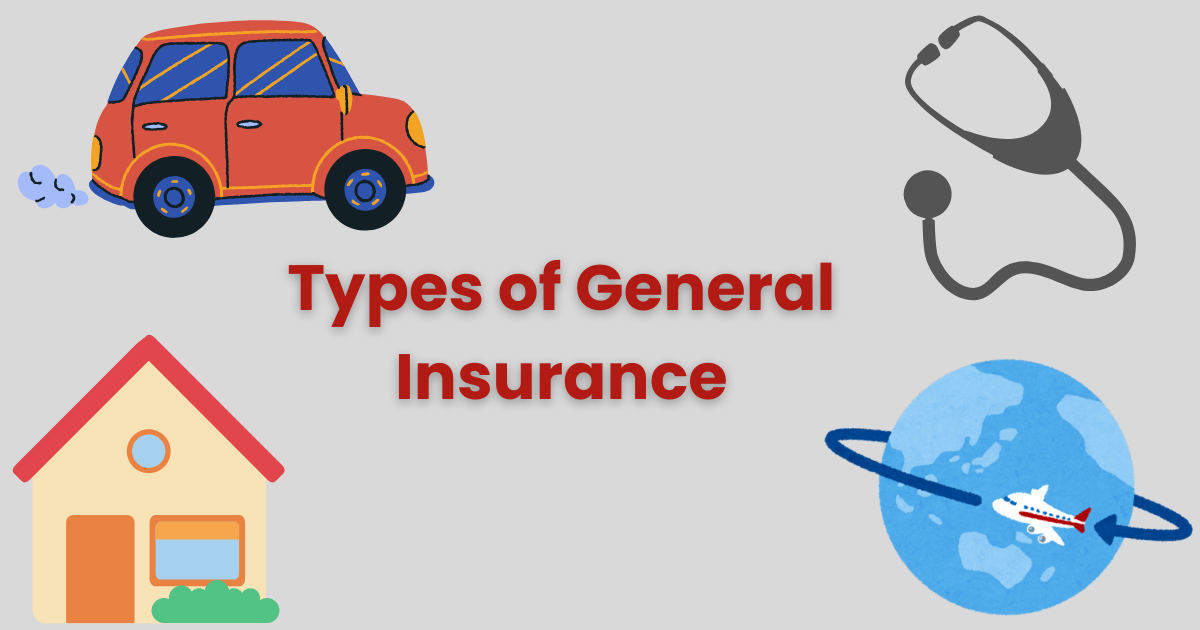

Types of General Insurance
General insurance is a type of insurance that protects us from financial loss due to accidents, damage, theft, or other unexpected events. Unlike life insurance, general insurance covers specific areas of life, such as cars, homes, and health, among others. Understanding the different types of general insurance can help us protect what matters most. In this article, we’ll explain the common types of general insurance, their basic coverage, and the benefits of having them.
1. Motor Insurance
What Is Motor Insurance?
Motor insurance provides protection for vehicles such as cars, motorcycles, and trucks. It covers damages to your vehicle, other vehicles, and injuries to people involved in an accident. Motor insurance is often mandatory, meaning you must have it if you own a vehicle.
Types of Motor Insurance
Motor insurance can generally be divided into two primary categories:
- Third-Party Liability Insurance: This is the most basic type of motor insurance. It covers damage you cause to someone else’s vehicle or injuries you cause to another person in an accident. However, it does not include protection for any damage to your own vehicle.
- Comprehensive Insurance: This type of insurance provides coverage not only for third-party damages but also for any damage to your own vehicle. It also provides coverage for theft, natural disasters, and vandalism.
Benefits of Motor Insurance
- Protects you from large repair costs
- Covers medical expenses in case of accidents
- Safeguards your vehicle against theft and natural calamities.
Example:
If you are involved in a car accident and cause damage to another car, third-party liability insurance will pay for the repairs to the other car. If you have comprehensive insurance, it will also cover the repairs to your own car.
2. Health Insurance
What Is Health Insurance?
Health insurance helps cover the cost of medical treatments and hospitalizations. It ensures that you don’t have to pay large sums of money out of pocket when you or a family member falls ill or needs medical care.
Types of Health Insurance
- Individual Health Insurance: This policy covers medical expenses for an individual.
- Family Floater Insurance: This type of health insurance covers the entire family under one policy. The premium is usually higher, but the coverage is shared by all family members.
- Critical Illness Insurance: This provides coverage for specific critical illnesses like cancer, heart attacks, or kidney failure. If diagnosed with a covered illness, you receive a lump sum payout.
Benefits of Health Insurance
- Reduces the financial burden of medical expenses
- Provides access to better healthcare facilities
- Covers treatments, surgeries, and sometimes preventive care like vaccinations
Example:
If you are hospitalized for surgery, health insurance will cover your hospital bills, including room charges, surgery costs, and medication.
3. Home Insurance
What Is Home Insurance?
Home insurance protects your house and the belongings inside it. It covers damages caused by events like fire, theft, natural disasters (earthquake, flood), and vandalism. Some policies also provide coverage for the structure of the house as well as the contents inside.
Types of Home Insurance
- Building Insurance: This covers the structure of your home, including the walls, roof, and floors, against events like fire, storms, and other disasters.
- Content Insurance: This type of insurance protects the belongings inside your home, like furniture, appliances, and personal items, from damage or theft.
Benefits of Home Insurance
- Provides coverage for losses resulting from theft or break-ins.
- Covers the cost of repairs in case of fire or other disasters
- Provides peace of mind knowing your most valuable asset is protected
Example:
If a fire damages part of your house, home insurance will cover the cost of repairs to the structure and replacement of damaged belongings like furniture.
4. Travel Insurance
What Is Travel Insurance?
Travel insurance provides coverage when you are traveling, whether within your country or abroad. It protects you from unexpected problems like lost baggage, flight cancellations, medical emergencies, or passport theft.
Types of Travel Insurance
- Single Trip Insurance: This policy covers you for one trip. The policy concludes when your trip comes to an end.
- Multi-Trip Insurance: If you travel frequently, this type of insurance covers multiple trips during a specific period, such as one year.
- Student Travel Insurance: Specially designed for students studying abroad, this policy covers medical emergencies, loss of passport, and other travel-related issues.
Benefits of Travel Insurance
- Covers unexpected medical expenses during travel
- Reimburses you for lost luggage, passports, or personal belongings
- Provides compensation for flight delays or cancellations
Example:
If you lose your luggage during a trip, travel insurance can help you recover the cost of the lost items. It also covers any medical expenses if you fall sick while traveling.
5. Fire Insurance
What Is Fire Insurance?
Fire insurance is a form of property coverage that protects against damages resulting from fire. It covers not only the damage to the property itself but also damage caused by smoke, water (used to put out the fire), and even firefighter efforts.
Types of Fire Insurance
- Standard Fire and Special Perils Policy: This policy covers damages caused by fire, lightning, explosions, and other related events.
- Valued Policy: In this type of policy, the value of the property is agreed upon by both the insurer and the policyholder. In case of a fire, the insurer will pay the agreed amount, regardless of the actual loss.
Benefits of Fire Insurance
- Protects against significant financial losses due to fire
- Covers damage to property and contents
- Provides compensation for repairs and rebuilding
Example:
If a fire destroys your office, fire insurance will help cover the costs of rebuilding the office and replacing damaged equipment.
Why Is General Insurance Important?
General insurance plays a crucial role in safeguarding us from unexpected events. Here are some key reasons why general insurance is important:
1. Financial Protection
Without insurance, you could face significant financial loss from accidents, theft, or natural disasters. General insurance helps cover the costs, reducing the financial impact on you and your family.
2. Peace of Mind
Knowing that your car, home, health, and travels are protected provides peace of mind. You can live your life without the constant stress of worrying about potential “what if” situations.
3. Legal Requirements
In many countries, certain types of insurance, like motor insurance, are mandatory by law. Having insurance helps you meet these legal obligations.
4. Quick Recovery After Loss
Whether it’s a car accident, a medical emergency, or a fire, general insurance helps you recover more quickly from a loss. You can repair or replace damaged items and get back to normal life sooner.
Additional Types of General Insurance
In addition to the more common forms of general insurance, several other types provide specialized coverage for specific risks:
- Marine Insurance: This type of insurance protects ships, cargo, and other marine assets from losses related to maritime risks such as sinking, collisions, or piracy. Marine insurance is vital for businesses involved in international trade and shipping.
- Burglary Insurance: Burglary insurance protects against financial losses due to theft or burglary. It covers stolen items, as well as damage caused to property during a break-in. Both homeowners and businesses can benefit from burglary insurance, ensuring that they are financially protected from the high cost of theft-related incidents.
- Public Liability Insurance: Public liability insurance protects individuals or businesses from claims made against them for causing injury or property damage to others. It is particularly important for businesses that interact with the public, as it covers legal expenses, medical costs, and compensation payments.
- Product Liability Insurance: This type of insurance is crucial for manufacturers and sellers. It provides coverage for claims related to injuries or damages caused by faulty products. Product liability insurance protects businesses from the potentially high costs of lawsuits, ensuring they can operate without fear of financial ruin.
Choosing the Right General Insurance Policy
When selecting a general insurance policy, there are several important factors to consider to ensure you get the coverage that best suits your needs:
- Coverage: Review the coverage offered by different policies to make sure it meets your specific requirements. For example, if you own valuable belongings, you might want to choose a policy with higher limits for contents insurance. Additionally, consider any optional add-ons or riders that can enhance your protection.
- Premium: Compare premiums from various insurers to find an affordable option that doesn’t compromise on coverage. Keep in mind that a lower premium may look appealing, but it could mean higher deductibles or reduced coverage. Finding the right mix of affordability and complete protection is crucial.
- Deductibles: This refers to the portion of a claim you must pay yourself before your insurance begins to cover the rest.. Higher deductibles typically result in lower premiums, but be Make sure to select a deductible that you can easily manage if you need to file a claim.
- Exclusions: Insurance policies often have exclusions—specific events or activities that are not covered. Be sure to carefully read the fine print of any policy to understand what is excluded. This way, you can avoid unpleasant surprises when filing a claim.
- Claims Process: It is important to research the insurer’s reputation for handling claims efficiently. Look for customer reviews or industry ratings to assess the company’s responsiveness and reliability when it comes to processing claims. A quick and fair claims process is crucial when you need support in times of crisis.
By understanding the various types of general insurance available and the factors to consider when choosing a policy, you can make informed decisions to protect your assets and ensure financial security.
Conclusion
General insurance is a valuable tool to protect ourselves and our assets from unexpected events. Motor insurance keeps our vehicles safe, health insurance ensures we get proper medical care, home insurance protects our homes and belongings, travel insurance secures us during trips, and fire insurance guards against property damage. By understanding the different types of general insurance and their benefits, we can make informed decisions to safeguard our future.
Frequently Asked Questions (FAQ) About General Insurance
1. What is general insurance? General insurance is a type of insurance that covers non-life-related risks. It provides financial protection against specific events such as accidents, theft, health issues, or damage to property. Examples include motor insurance, health insurance, home insurance, and travel insurance.
2. How does general insurance differ from life insurance? General insurance covers risks like vehicle accidents, medical bills, and property damage. Life insurance, on the other hand, provides financial support to your family in the event of your death or after a specific term (in the case of term insurance).
3. What are the common types of general insurance? The main categories of general insurance are:
- Motor insurance
- Health insurance
- Home insurance
- Travel insurance
- Fire insurance
- Marine insurance
- Burglary insurance
- Public liability insurance
- Product liability insurance
4. What is motor insurance and why is it important? Motor insurance provides coverage for vehicles and their owners. It helps cover the costs of vehicle repairs, third-party damages, injuries, or vehicle theft. Most countries require motor insurance by law to ensure financial protection in the event of accidents.
5. What is covered under health insurance? Health insurance covers medical expenses such as hospital stays, surgeries, and treatments. Depending on the policy, it may also cover doctor visits, prescription medications, and critical illnesses.
6. What is home insurance and what does it protect? Home insurance provides protection for your house and its contents from risks such as fire, theft, and natural disasters. It can cover damage to the building structure, personal belongings, and even liability for injuries on your property.
7. How does travel insurance work? Travel insurance protects you from unexpected events while traveling, such as lost luggage, flight cancellations, or medical emergencies. It ensures that you won’t face financial difficulties if things go wrong during your trip.
8. What is fire insurance? Fire insurance protects properties against damage resulting from fire. It also covers damage from smoke, water used to extinguish the fire, and any efforts by firefighters to save the property.
9. What does marine insurance cover? Marine insurance covers losses related to shipping goods, ships, and other marine assets. It protects businesses from losses due to accidents, storms, and other risks while transporting goods by sea.
10. What is burglary insurance? Burglary insurance provides coverage against losses from theft or burglary in homes or businesses. It compensates for stolen goods and repairs any damage caused during a break-in.
11. What is public liability insurance? Public liability insurance covers claims made against a business or individual for causing injury or property damage to others. It is particularly important for businesses that interact with customers, as it protects against lawsuits and compensation claims.
12. What is product liability insurance? Product liability insurance protects manufacturers, wholesalers, and sellers from claims arising from defective or harmful products. It covers legal costs and compensation if a customer is injured or suffers a loss due to the product.
13. How do I choose the right general insurance policy? When selecting a general insurance policy, take these factors into account:
- Coverage: Ensure the policy provides sufficient protection for your needs.
- Premium: Compare prices from different insurers to find an affordable option.
- Deductibles: Know how much you’ll have to pay before insurance kicks in.
- Exclusions: Understand what is not included in the coverage of the policy.
- Claims process: Opt for an insurer known for managing claims effectively.
14. What are exclusions in general insurance? Exclusions are specific conditions or events that are not covered by an insurance policy. For example, a health insurance policy may not cover pre-existing conditions or certain treatments, while motor insurance may not cover damage from illegal activities.
15. Can I have multiple general insurance policies? Yes, you can hold multiple general insurance policies to cover different aspects of your life. For example, you can have motor insurance for your car, health insurance for medical needs, and home insurance to protect your property.
16. What is a premium in insurance? A premium is the fee you pay to an insurance provider for your coverage. It can be paid on a monthly, quarterly, or annual basis, depending on the terms of the policy.Generally, increased coverage results in higher premiums.
17. What is a deductible in general insurance? A deductible is the amount you need to pay out of pocket before your insurance company begins covering the remaining expenses. For example, if your car insurance policy has a ₹10,000 deductible and the repair costs ₹80,000, you would pay ₹10,000, and the insurance company would cover the remaining ₹70,000.
18. How do I make a claim on my general insurance policy? To make a claim, you need to contact your insurance company, provide necessary documents (such as receipts, police reports, or medical bills), and follow their claims process. The company will review the claim, assess the damage or loss, and process your payout based on the policy terms.
19. Is it possible to transfer my insurance policy to someone else? Most general insurance policies are non-transferable. However, in some cases, such as motor insurance, policies may be transferred to a new owner if the vehicle is sold. It’s important to check with your insurer for specific rules regarding policy transfers.
20. What should I do if my claim is rejected? If your claim is rejected, first review the reasons provided by the insurer. It may be due to missing documents, policy exclusions, or other factors. If you believe the rejection is unfair, you can appeal the decision by providing additional evidence or clarifying details with the insurance company.
21. Why is it important to understand the exclusions in my policy? Understanding exclusions helps you know what is not covered by your policy, preventing unexpected surprises when you file a claim. By knowing what’s excluded, you can avoid situations where your claim might be denied.
22. Can I change or cancel my general insurance policy? Yes, most insurers allow you to modify or cancel your policy. However, this may involve penalties or charges depending on the terms of the policy and how long it has been active. Always check with your insurer for the specific procedures and conditions for changes or cancellations.
By reviewing these frequently asked questions, you can better understand general insurance and how it can help protect you and your assets.


Leave a Reply